Concrete has long been valued for its durability, strength, and cost-effectiveness in construction. However, modern innovations in stamped and decorative concrete have elevated it from a purely functional material to a versatile design element that can transform ordinary spaces into stylish, visually appealing areas. From patios and driveways to commercial walkways and indoor flooring, stamped and decorative Concrete Franklin TN provides both aesthetic appeal and long-lasting performance, making it a popular choice for homeowners and designers alike.
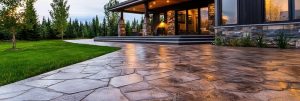
Unlike traditional gray concrete, which is often perceived as dull and utilitarian, decorative concrete opens up a world of design possibilities. Through techniques such as stamping, staining, coloring, and texturing, concrete can mimic the look of natural stone, brick, wood, or other materials while retaining the durability and low-maintenance benefits of concrete. This combination of beauty and functionality makes it ideal for enhancing outdoor and indoor spaces, increasing property value, and creating environments that feel thoughtfully designed and uniquely personalized.
What Is Stamped and Decorative Concrete?
Stamped and decorative concrete is a technique that involves applying patterns, textures, and colors to freshly poured or existing concrete surfaces. The goal is to create a visually appealing finish that can complement a home’s architecture, landscaping, or commercial design theme.
Stamped concrete is achieved by pressing molds or stamps into the wet concrete to create textures that resemble brick, slate, stone, or wood planks. The stamps can be combined with colorants to produce realistic finishes that imitate natural materials without the high cost or labor of traditional installation.
Decorative concrete encompasses a broader range of enhancements, including:
- Staining and coloring: Adding pigments or stains to concrete can create vibrant, earthy, or polished tones.
- Exposed aggregate finishes: Removing the top layer of concrete to reveal the stones within adds texture and visual interest.
- Etching and engraving: Custom patterns or designs can be etched into the surface for artistic or branding purposes.
- Polishing: Smooth, high-gloss finishes give interior spaces a modern, sleek appearance.
Through these techniques, ordinary concrete surfaces can be transformed into functional art that elevates the overall aesthetic of a property.
Benefits of Stamped and Decorative Concrete
Beyond its visual appeal, stamped and decorative concrete offers multiple functional benefits that make it a practical and valuable investment for both residential and commercial properties.
1. Durability and Longevity
Concrete is already renowned for its strength, and decorative enhancements do not compromise its durability. Properly installed stamped and decorative concrete can withstand heavy foot traffic, vehicle use, and harsh weather conditions. Unlike natural stone or wood, which may crack, warp, or deteriorate over time, concrete maintains its structural integrity for decades when sealed and maintained correctly.
2. Cost-Effectiveness
Decorative concrete provides the look of expensive materials, such as slate, brick, or hardwood, at a fraction of the cost. Installing natural stone or wood can be labor-intensive and costly, whereas stamped concrete replicates these aesthetics efficiently. Additionally, long-term maintenance costs are lower because concrete does not require frequent replacement, staining, or sealing compared to natural alternatives.
3. Low Maintenance
Maintaining stamped and decorative concrete is straightforward. Routine cleaning with a broom or hose, periodic sealing, and addressing minor cracks promptly are typically all that is required to preserve its appearance and structural integrity. This ease of maintenance is a significant advantage for both homeowners and commercial property managers seeking durable yet stylish surfaces.
4. Design Versatility
One of the most compelling benefits of decorative concrete is its versatility. Designers can select from a wide range of colors, patterns, textures, and finishes to match architectural styles and personal preferences. For example:
- Outdoor patios and pool decks can feature slip-resistant textured finishes in earthy tones for a natural look.
- Driveways and walkways can use brick or stone patterns for curb appeal.
- Interior floors can incorporate polished or stained surfaces for contemporary, industrial, or rustic aesthetics.
The ability to customize decorative concrete makes it suitable for nearly any application, indoors or outdoors.
Applications of Stamped and Decorative Concrete
Stamped and decorative concrete is not limited to a single use; it is highly adaptable across multiple areas of residential and commercial design.
1. Outdoor Living Spaces
Patios, pool decks, walkways, and driveways are popular areas for stamped and decorative concrete. The material’s durability allows it to withstand heavy use, while its design flexibility enhances the outdoor ambiance. For instance, stamped concrete can imitate natural stone, providing a high-end appearance without the need for costly stonework. Decorative colors and patterns can complement landscaping and outdoor furniture, creating cohesive and inviting spaces.
2. Commercial Spaces
Restaurants, hotels, retail areas, and office buildings benefit from decorative concrete in both aesthetic and practical terms. Polished or stained concrete floors create a modern and professional look, while textured finishes ensure safety by providing slip resistance. Custom logos or patterns can be incorporated to enhance branding and create visually engaging public spaces.
3. Interior Flooring
Polished, stained, or etched concrete is increasingly used for interior floors. These applications offer a modern, clean, and durable alternative to traditional flooring materials such as tile, carpet, or hardwood. Interior decorative concrete is particularly suitable for high-traffic areas, kitchens, and living rooms, combining style with ease of cleaning and maintenance.
Techniques for Creating Decorative Concrete
Creating stamped and decorative concrete requires specialized techniques and attention to detail to achieve optimal results. The most common methods include:
1. Stamping
Concrete stamping involves pressing patterned molds into wet concrete to create textures that mimic stone, brick, or wood. Stamping is often paired with color hardeners or release agents to enhance realism and add color variation.
2. Staining and Coloring
Color can be integrated into concrete in two main ways: integral coloring, where pigments are added during mixing, or surface staining, where acids or dyes are applied after the concrete sets. These techniques provide a wide range of tones, from subtle earth shades to vibrant hues.
3. Polishing
Polished concrete involves grinding the surface with progressively finer abrasives to achieve a smooth, reflective finish. Polishing can enhance interior spaces by providing a contemporary, durable, and easy-to-clean flooring option.
4. Etching and Engraving
For custom designs or logos, concrete can be etched or engraved using specialized tools or chemical treatments. This technique allows for artistic expression, branding, or intricate patterns while maintaining the durability of the concrete.
5. Exposed Aggregate
Exposed aggregate finishes involve removing the top layer of cement paste to reveal decorative stones embedded in the concrete. This technique adds texture, color contrast, and slip resistance, making it ideal for outdoor applications like patios and walkways.
Considerations for Stamped and Decorative Concrete
While stamped and decorative concrete offers numerous benefits, successful installation requires careful planning and professional expertise. Several factors should be considered:
- Site Preparation: Proper grading, compaction, and base preparation are essential to prevent cracking and uneven settling.
- Quality Materials: Using high-quality concrete, color hardeners, and sealers ensures longevity and prevents fading or surface damage.
- Weather Conditions: Installation should be planned around temperature and humidity to ensure proper curing and optimal finish.
- Maintenance: Regular cleaning, sealing, and prompt attention to minor cracks are necessary to preserve appearance and performance.
Professional installation not only enhances the aesthetic outcome but also extends the lifespan of the decorative surface, protecting the homeowner’s investment.
Advantages Over Alternative Materials
Stamped and decorative concrete offers several advantages compared to natural stone, brick, or wood.
- Cost Savings: Decorative concrete provides a similar visual appeal at a lower material and labor cost.
- Durability: Unlike natural materials that may crack, chip, or warp, concrete withstands heavy use and environmental exposure.
- Customizability: Concrete can be molded, colored, and textured in virtually limitless combinations, unlike pre-cut natural materials with fixed shapes.
- Ease of Maintenance: Sealed concrete requires minimal upkeep compared to wood decks or stone walkways that may require frequent cleaning, sealing, or repairs.
These benefits make stamped and decorative concrete a preferred choice for both residential and commercial applications.
Enhancing Property Value
Beyond aesthetics, decorative concrete can positively impact property value. A well-designed patio, driveway, or interior floor enhances curb appeal and signals quality craftsmanship to potential buyers. Outdoor areas with visually appealing, durable surfaces can increase the functional space of a property, making it more attractive and marketable.
Additionally, decorative concrete demonstrates long-term durability, which appeals to buyers seeking low-maintenance, reliable surfaces. Whether for outdoor living areas or high-traffic commercial spaces, investment in decorative concrete can translate to tangible returns during resale or leasing.
Stamped and decorative concrete has transformed the perception of what concrete can achieve. From practical durability to striking visual appeal, it provides a versatile solution for modern homeowners and designers seeking to elevate ordinary spaces into stylish, functional environments. By combining stamping, coloring, polishing, and texturing techniques, concrete surfaces can mimic expensive materials, resist wear, and require minimal maintenance, offering both aesthetic and practical value.
Whether enhancing outdoor patios, creating polished interior floors, or adding branded designs to commercial spaces, decorative concrete delivers a unique blend of beauty and durability. When installed correctly and maintained properly, stamped and decorative concrete not only transforms spaces but also enhances property value and usability for years to come. For anyone looking to combine design innovation with lasting performance, decorative concrete represents an investment in both style and function, turning everyday spaces into areas that truly stand out.