Electrical systems are the backbone of modern properties, powering everything from lighting and heating to appliances, electronics, and network infrastructure. Over time, however, wiring can deteriorate, become outdated, or fail to meet the growing energy demands of modern homes and commercial buildings. Aging electrical systems not only reduce efficiency but also pose serious safety hazards, including the risk of fires, shocks, and equipment damage. Recognizing the signs that a property may require rewiring is critical for maintaining safety, reliability, and energy efficiency.
One of the most common indicators that an electrical system is in need of an upgrade is frequent circuit breaker trips or blown fuses. Breakers and fuses are designed to protect circuits from overloads, but repeated interruptions may suggest that the wiring cannot safely handle the current load. In older properties, the electrical system may have been designed for minimal usage, such as basic lighting and a few household appliances. Today’s energy demands, with multiple electronic devices, high-capacity appliances, and advanced HVAC systems, can easily exceed outdated wiring capacity. Professional Nash Electric LLC can assess the circuits, determine whether rewiring is necessary, and implement upgrades to handle modern electrical loads safely.
Flickering or dimming lights are another warning sign. While these issues can sometimes result from a loose bulb or fixture, they can also indicate deeper problems such as deteriorating wiring, loose connections, or overloaded circuits. When lights flicker consistently, especially when multiple devices operate simultaneously, it suggests that the current electrical infrastructure is struggling to maintain stable voltage. Over time, this can damage sensitive equipment and pose safety risks. Rewiring with properly sized conductors and updated circuit design helps ensure consistent power delivery throughout the property.
Outlets that feel warm to the touch or produce sparks when used are particularly concerning. Overheating outlets and visible sparking are symptoms of overloaded wiring, poor connections, or degraded insulation. These issues significantly increase the risk of electrical fires and should be addressed immediately. Modern rewiring not only replaces worn or undersized wiring but also ensures that outlets are installed according to current safety codes, including proper grounding and placement. Upgrading outlets and circuits during rewiring enhances both safety and energy efficiency.
Another clear sign that rewiring may be required is the presence of outdated wiring types. Aluminum wiring, common in homes built in the mid-20th century, is prone to oxidation and expansion, which can loosen connections and increase fire risk. Similarly, knob-and-tube wiring or cloth-insulated cables may no longer meet current safety standards. Properties with these older wiring systems are at heightened risk of electrical hazards, and upgrading to modern copper wiring is highly recommended. Electrical contractors can evaluate the existing infrastructure, identify problem areas, and design a system that meets modern codes and energy demands.
Electrical outlets that no longer support modern plug types or high-capacity devices are another indicator. Older properties may still use two-prong outlets without grounding, limiting their compatibility with contemporary appliances and electronics. Grounded outlets are essential for safety, especially for high-power devices, computers, and network equipment. Rewiring projects often include upgrading outlets to three-prong, grounded configurations, ensuring compliance with current standards and protecting both people and equipment.
Fuses, circuit breakers, and panels that show signs of deterioration or excessive age may also necessitate rewiring. Electrical panels older than 20–30 years may lack the capacity to support today’s electrical loads, and components can degrade over time. Corrosion, discoloration, or a burning smell near the panel are warning signs that the system is compromised. Upgrading wiring in conjunction with a modern electrical panel improves overall system capacity, enhances safety, and provides room for future energy demands, such as additional lighting, appliances, or renewable energy integration.
Frequent use of extension cords and power strips can also indicate that the property’s wiring is insufficient. While these devices are convenient, they are not a substitute for permanent circuits. Overreliance on temporary solutions can create fire hazards and overload circuits. Rewiring provides the infrastructure to meet modern power requirements safely, eliminating the need for makeshift connections and distributing electricity efficiently throughout the property.
Electrical shocks or tingling sensations when touching appliances or switches are particularly serious warning signs. These symptoms may indicate faulty grounding, damaged wiring, or compromised insulation. Any sign of electric shock should be addressed immediately by a licensed electrician. Rewiring ensures that circuits are properly grounded, connections are secure, and insulation meets current safety standards, significantly reducing the risk of injury or electrocution.
Properties experiencing frequent power surges or voltage fluctuations may also benefit from rewiring. Surges can damage sensitive electronics, reduce the lifespan of appliances, and indicate that the wiring cannot handle modern energy loads. Upgrading wiring, installing surge protection, and integrating proper load management ensures that voltage remains stable, protecting both the electrical system and connected devices.
In commercial or industrial settings, the consequences of outdated wiring can be even more significant. High-capacity machinery, complex lighting systems, and IT infrastructure place substantial demands on electrical circuits. Properties with older wiring may experience frequent downtime, equipment failure, and increased maintenance costs. Rewiring in these environments not only enhances safety but also ensures reliable operations, supports energy-efficient technologies, and allows for future expansion. Electrical contractors often design these upgrades with scalability in mind, balancing immediate needs with long-term operational goals.
Rewiring projects also provide an opportunity to integrate energy-efficient solutions. Modern electrical systems can be designed to support LED lighting, high-efficiency HVAC equipment, smart building technologies, and renewable energy integration. Electrical contractors can implement structured wiring that accommodates automated controls, energy monitoring systems, and backup power solutions. This approach maximizes the return on investment, reduces operational costs, and supports sustainability initiatives.
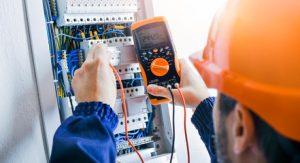
Routine inspections are a critical part of identifying wiring issues before they escalate. Licensed electricians use specialized tools such as thermal imaging cameras, voltage testers, and circuit analyzers to detect overheating, faulty connections, and hidden damage. These assessments allow for informed decisions regarding rewiring, targeted repairs, and safety improvements. Properties that undergo regular inspections are less likely to experience catastrophic electrical failures, and maintenance costs are generally lower over time.
Key signs that a property may require rewiring include:
- Frequent breaker trips or blown fuses – Indicating overloaded or compromised circuits.
- Flickering or dimming lights – Suggesting voltage instability or outdated wiring.
- Sparking or warm outlets – A potential fire hazard requiring immediate attention.
- Outdated wiring types – Such as aluminum, knob-and-tube, or cloth-insulated wiring.
- Electric shocks or tingling sensations – Indicating grounding issues or damaged insulation.
- Panels and breakers showing age or deterioration – Reducing system capacity and safety.
- Overuse of extension cords and power strips – Reflecting insufficient circuit availability.
- Frequent power surges or equipment damage – Suggesting inadequate wiring or load management.
The process of rewiring involves several essential steps. Initially, an electrician evaluates the current system, identifying circuits, wiring types, panel capacity, and potential hazards. A detailed plan is developed, outlining the required upgrades, materials, and safety measures. During installation, old wiring is removed, circuits are replaced with properly rated conductors, and outlets and fixtures are updated to meet modern standards. Panels and breakers are often upgraded to ensure adequate capacity, while grounding and bonding are verified or improved. Once the work is complete, the system undergoes rigorous testing to ensure functionality, safety, and compliance with electrical codes.
Rewiring is not only a safety measure but also a long-term investment. Properties with upgraded wiring benefit from improved reliability, increased energy efficiency, and enhanced capacity for modern appliances and technologies. Commercial properties, in particular, gain operational resilience, reduced maintenance costs, and the ability to integrate advanced systems such as automated controls, renewable energy sources, and energy monitoring solutions. For residential properties, rewiring enhances comfort, safety, and peace of mind, ensuring that daily activities are supported by a reliable electrical system.
Preventive measures, such as scheduled inspections and load assessments, help maintain the integrity of electrical systems between major upgrades. Regular maintenance ensures that wiring remains free of damage, connections remain secure, and protective devices operate correctly. By addressing minor issues before they escalate, property owners reduce the risk of costly repairs, equipment damage, and safety hazards.
In conclusion, recognizing the signs that a property may need electrical rewiring is essential for maintaining safety, reliability, and efficiency. Frequent breaker trips, flickering lights, warm or sparking outlets, outdated wiring types, and signs of electrical shocks are all indicators that professional evaluation is necessary. Licensed electricians provide the expertise to assess, plan, and execute rewiring projects, ensuring compliance with electrical codes, enhanced capacity, and integration with modern energy-efficient technologies.
Upgrading electrical wiring is more than a safety measure; it is an investment in the long-term performance and resilience of a property. Proper rewiring supports current energy demands, accommodates future growth, protects occupants and equipment, and enables the integration of advanced systems such as smart controls and renewable energy. Whether for residential, commercial, or industrial properties, timely identification of wiring issues and proactive upgrades ensures that electrical systems remain safe, reliable, and efficient for years to come.